Why Bulk Water Storage is Essential for Industrial Fire Safety
Imagine a fire breaking out in a high-risk industrial facility—flames spreading rapidly, firefighters arriving on-site, only to find that hydrants lack sufficient water pressure. When seconds count, the availability of a dedicated water source can mean the difference between minor damage and total devastation.
In recent years, large-scale fires have overwhelmed municipal water systems, leaving businesses vulnerable to catastrophic losses. Facilities such as chemical plants, manufacturing sites, and lumber yards face daily fire risks. Without reliable water storage, they remain dangerously exposed.
At Plastic Mart, we understand the urgency of fire preparedness, which is why we provide fire protection water tanks designed to ensure a steady and immediate water supply when it’s needed most.
The Fire Protection Challenges High-Hazard Facilities Face
High-Risk Environments
Facilities that store flammable materials, chemicals, or high-density equipment are particularly susceptible to fires. A single spark can escalate into a large-scale blaze within minutes.
Limited Municipal Water Supply
Aging infrastructure, drought conditions, and low water pressure can hinder firefighting efforts. Without supplemental water storage, businesses may struggle to contain a fire in time.
Compliance with Fire Safety Regulations
Fire codes, including NFPA 22 standards, require specific water reserves for high-risk properties. Non-compliance can lead to costly fines, operational shutdowns, or increased liability.
Large-Capacity Water Tanks: A Reliable Fire Protection Solution
Installing a large-scale water storage tank ensures an uninterrupted water supply for firefighting operations. These tanks provide:
- Immediate Water Access – Rapid deployment for fire suppression systems and firefighting crews.
- Regulatory Compliance – Meets NFPA 22 standards for fire flow and duration.
- Independence from Public Systems – Reduces reliance on municipal water sources, especially in remote or high-demand areas.
How Bulk Water Tanks Make a Difference
When a fire erupts, every second matters. An onsite water tank eliminates the risk of delays caused by dry hydrants or fluctuating municipal supply. For example, in a 2023 refinery fire in Vallejo, a 50,000-gallon steel tank provided firefighters with the water they needed to contain the blaze before it caused widespread damage. This highlights the critical role of dedicated water storage in fire response planning.
Choosing the Right Fire Protection Water Tank
Different industries require different tank solutions based on fire risks, site conditions, and budget considerations. Here are three primary types of fire protection water tanks:
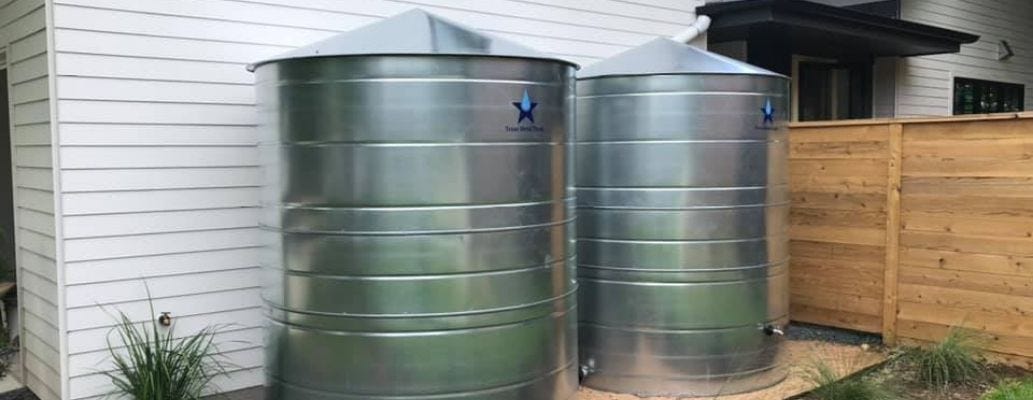
Steel Fire Suppression Tanks (Best for Industrial Applications)
- Durability: Withstands extreme conditions, including seismic activity.
- Longevity: 50+ years with minimal maintenance.
- Ideal for: Oil refineries, aerospace plants, and wildfire-prone regions.
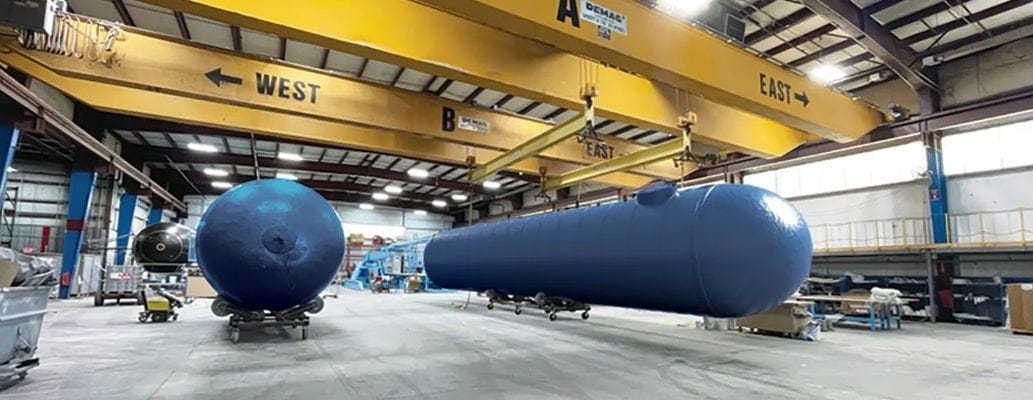
Fiberglass Water Tanks (Best for Corrosion Resistance)
- Rust-Proof: Ideal for coastal and chemical-heavy environments.
- Lightweight: Quicker installation compared to steel tanks.
- Ideal for: Coastal manufacturing sites, pharmaceutical plants.
Plastic Water Tanks (Best for Cost-Effectiveness)
- Affordable: Lower-cost option with a 20+ year lifespan.
- Low Maintenance: UV-resistant and algae-resistant properties.
Limitations: Lower capacity than steel or fiberglass tanks.
Sizing Your Fire Protection Water Tank
Tank size requirements vary depending on the type of facility, fire risks, and local regulations. Key factors include:
- Hazard Level: Facilities with flammable materials need larger reserves.
- Fire Flow Requirements: Fire protection systems may require between 1,500 to 3,000 gallons per minute (GPM) for 90+ minutes.
- Space Constraints: Vertical tanks maximize storage in confined areas.
Plastic Mart offers standard capacities ranging from 30,000 to over 1 million gallons, with custom solutions available to meet specific needs.
Installation & Maintenance Best Practices
Proper installation and routine maintenance ensure long-term fire water tank reliability.
Installation Essentials
- Site Preparation: A reinforced concrete foundation is required for steel tanks, while fiberglass water tanks need well-compacted gravel beds.
- Accessibility: Ensure fire trucks and maintenance crews have 360° access.
- Anchoring & Piping: Consider seismic brackets in earthquake-prone zones and use corrosion-resistant piping.
Maintenance Tips
- Quarterly Inspections: Check for leaks, sediment buildup, and valve functionality.
- Winterization: Insulate tanks and pipes in colder climates to prevent freezing.
Why Choose Plastic Mart for Your Industrial Fire Protection?
With over 25 years of industry experience, Plastic Mart provides high-quality fire suppression tanks designed for maximum reliability. We work hand-in-hand with you to ensure your system is set-up and meets all regulatory checks. Our offerings include:
- Wide Product Selection: Tanks certified to NFPA, UL, and NSF standards.
- Custom Engineering: Tailored solutions for diverse site conditions.
Ongoing Support: Lifetime maintenance plans and 24/7 emergency assistance
Secure Your Facility Before Disaster Strikes
Recent wildfires and industrial fires have demonstrated the devastating consequences of inadequate water supply. Investing in a high-capacity fire protection water tank ensures your facility is prepared for any emergency.
Don’t wait for a fire to expose your vulnerabilities. Contact Plastic Mart today for a free consultation on the best fire protection solution for your site.