A Sustainable Model for Circular Home Water Systems for the 21st Century
Roughly 30% of household water usage goes to flushing toilets or watering plants. Imagine slashing that number while embracing the principles of reuse, regeneration, and reduction—the core of a circular home economy. Unlike conventional systems where water is used once and discarded, circular home water systems view water as a renewable resource to be conserved, cycled, and reused.
Welcome to circular living. It’s more than a trend—it’s a transformative approach to water management that mimics nature’s loops. In this guide, we’ll show you how to implement circular water strategies at home, from capturing rainwater to reusing greywater and integrating high-efficiency septic systems. Together, these components create a regenerative water loop that’s economical, environmentally sound, and resilient.
Circular Economy Principles at Home
The traditional home water model—take, use, toss—is linear and unsustainable. Circular design, by contrast, reimagines this flow. Inspired by nature’s cycles, it reduces waste, reuses resources, and regenerates ecosystems. In practical terms, a circular water system:
- Treats water as a renewable resource
- Collects, stores, treats, and reuses water within the home
- Builds resilience against droughts, utility spikes, and supply disruptions
Core components of such a model include rainwater harvesting tanks, greywater reuse systems, and advanced septic solutions—all designed for maximum water efficiency and minimal waste.
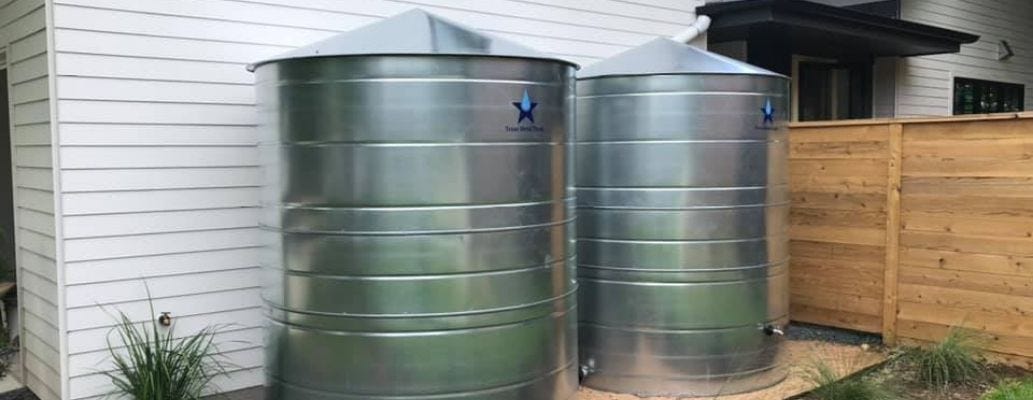
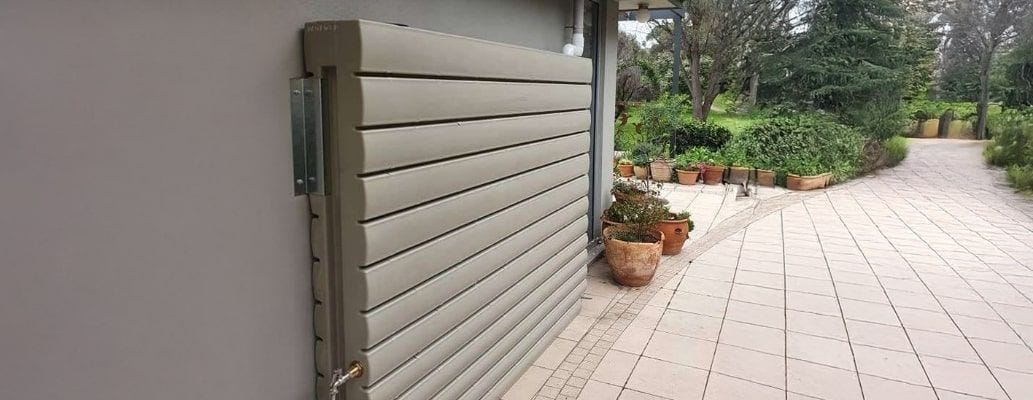
Rainwater Harvesting: Capturing Value from the Sky
Every inch of rainfall on a single square foot of roof yields 0.6 gallons of water. Across a season, that adds up to thousands of gallons—an untapped reservoir. Rainwater harvesting systems use that runoff smartly. After light filtration, harvested rainwater can be used for:
- Irrigating landscapes
- Flushing toilets
- Pressure washing and outdoor cleaning
- Non-potable indoor applications
With proper treatment, rainwater can even become potable, especially in off-grid or drought-prone areas. Plastic Mart provides high-quality rainwater storage tanks made from recyclable, UV-resistant polyethylene—engineered for long life, low maintenance, and high performance. In a circular home, rain isn’t runoff; it’s a reliable resource.
Plastic Mart provides high-quality rainwater storage tanks made from recyclable, UV-resistant polyethylene—engineered for long life, low maintenance, and high performance. In a circular home, rain isn’t runoff; it’s a reliable resource.

Greywater Systems: Giving Used Water New Life
We often discard water from sinks, showers, and laundry—greywater—though it’s still suitable for many non-potable uses. Given that toilets alone use about 2.2 gallons per flush, with multiple flushes per day, greywater recycling can dramatically reduce freshwater demand.
Modern greywater systems filter and repurpose this water safely, enabling:
● Landscape irrigation
● Toilet tank refilling
● Washing machine reuse (where permitted)
Plastic Mart’s septic-compatible greywater systems offer robust solutions for integrating greywater reuse into existing homes or new builds. These systems reduce freshwater usage by up to 50% while relieving pressure on septic tanks and drain fields.
Integrating Greywater and Septic Systems in a Closed Loop System
Greywater reuse doesn’t just reduce waste—it transforms septic systems from waste disposers into part of a regenerative cycle. Here’s how:
- Source Separation: Greywater is diverted before it mixes with blackwater via dual plumbing—a standard in many green homes.
- Pre-Filtration: A settling tank, like those from Plastic Mart, removes solids and contaminants, prepping water for further treatment.
- Treatment & Distribution: Filtered greywater can be treated via sand beds, biofilters, or UV units and reused for irrigation, toilet flushing, or even laundry.
This setup reduces septic system load, extends lifespan, and supports healthier groundwater.
Benefits of Circular Home Water Systems
Circular home water systems aren’t just environmentally conscious—they’re economically smart:
- Reduced Consumption: Harvesting and reusing water can cut potable water use by 30–50%.
- Lower Discharge: Reuse reduces the volume of wastewater entering septic systems, easing wear and extending longevity.
- Operational Savings: Lower utility bills and less frequent septic maintenance save money.
- Environmental Gains: Reusing water keeps pollutants out of waterways and protects ecosystems.
- Built-in Resilience: A self-sufficient water supply offers peace of mind during infrastructure outages or droughts.
Key Considerations for Implementing the Circular Home Economy
Circular systems offer long-term rewards, but thoughtful planning is key:
- Local Codes & Permits: Check regional regulations on rainwater and greywater use. Some states, like California and Texas, offer rebates.
- Professional Installation: Work with certified installers who understand system dynamics and compliance.
- Ongoing Maintenance: Filters, pumps, and tanks need routine upkeep. Plastic Mart systems are designed for easy maintenance.
- Smart Monitoring: Digital meters and leak detectors improve performance and help detect issues early.
Adapting Existing Homes into the Circular Economy
Retrofitting older homes is not only possible—it’s one of the most effective ways to bring sustainability to scale. Modular components from Plastic Mart allow homeowners to:
- Add external rainwater tanks
- Reconfigure plumbing for greywater diversion
- Install treatment and distribution systems tailored to existing layouts
These upgrades extend home utility while contributing to water conservation goals.
Toward a Water-Wise Future with Plastic Mart
Managing water wisely at home is a profound act of sustainability. Circular home water systems empower homeowners to conserve, reuse, and regenerate water within their property boundaries.
Plastic Mart is committed to supporting this shift. With a wide selection of tanks, components, and expert guidance, we make it easier to design and implement a fully circular water economy at home. Contact our team of experts in case you have any unanswered questions on making this integration a reality.
Join the movement. Build smarter. Live more sustainably. And let every drop count.