

Unlock the Smart Investment: Rainwater Collection Systems Explained
In a world where 2 billion people live without safe access to water, the need for sustainable water management practices has never been more dire. One effective and eco-friendly method to address this issue is rainwater harvesting. This age-old technique is gaining popularity in modern times due to its numerous environmental, economic, and practical benefits.
Let's dive into better understanding rainwater collection and explore how you can turn your home and business into a water-saving powerhouse. In this blog, we'll look at:
- What is rainwater harvesting?
- 7 reasons why rainwater collection is a smart choice for your home and business.
- Components of a simple rainwater harvesting system.
- The different types of rainwater harvesting systems
What is Rainwater Harvesting? Tapping into Nature's Renewable Water Source
Rainwater harvesting is as old as human civilization. Simply put, it's the process of collecting and storing rainwater for later use. Instead of letting precious rainwater flow down the drain, you're capturing and maximizing it for various household needs. It's like having your own mini water treatment plant right in your backyard!
7 Reasons Why Rainwater Collection is a Smart Choice for Homes and Businesses

Slash Your Water Bills
Let's face it, who doesn't love saving money? By harvesting rainwater, you can significantly reduce your reliance on municipal water supplies. This means lower water bills and more ROI + savings. Ka-ching!

Be a Local Hero
When you install a rainwater collection system, you're not just helping your home or business – it’s a vote to communal sustainability and water security. By reducing the demand on public water treatment facilities, you're easing the strain on local infrastructure. Plus, you're doing your part to mitigate stormwater runoff, which can lead to flooding and erosion in urban areas.

Green Up Your Garden
Your plants will thank you for using rainwater. It's naturally soft and free from the chemicals found in treated water, making it perfect for irrigation. Your garden will flourish, and you'll be the envy of the neighborhood.

Drought-Proof Your Home
In areas prone to water scarcity, a rainwater harvesting system can be a lifesaver. It provides a backup water source during dry spells, ensuring you're never left high and dry.

Flexibility for Businesses
Harvested rainwater can be used for a wide range of applications, including gardening, car washing, and even in larger commercial settings.

Reduce Your Carbon Footprint
By reducing the energy needed to treat and pump water to your home, you're indirectly cutting down on greenhouse gas emissions. It's a win-win for you and the planet!

Green Communities, Green Economies
The design, installation, and maintenance of rainwater harvesting systems create job opportunities and contribute to the green economy.
Components of a Simple Rainwater Harvesting System
Now that you're sold on the idea, let's break down the key components of a typical rainwater collection system:

Catchment Area
This is usually your roof. The size and material of your roof will affect how much water you can collect.
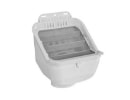
Gutters and Downspouts
These channel the water from your roof to the storage tank.
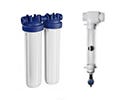
Filters and First Flush Diverters
These remove debris and contaminants from the collected water.
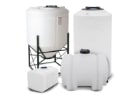
Storage Tanks
This is where the magic happens. Tanks come in various sizes and materials to suit different needs and budgets.
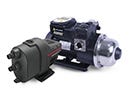
Pumps and Distribution Systems
This gets the water from the tank to where you need it.
Which Types of Rainwater Harvesting Systems Are There?
There are several types of rainwater harvesting systems, ranging from simple to sophisticated:
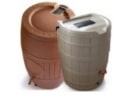
Rain Barrels
These are the simplest and most affordable systems, ideal for small-scale collection. They are perfect for garden irrigation and other outdoor uses.
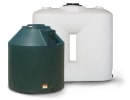
Above-Ground Water Tanks
These systems store larger volumes of water and are suitable for both residential and commercial uses. They can be connected to a home's plumbing system to supply water for non-potable uses.
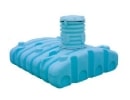
Underground Water Storage Tanks
These systems are ideal for urban areas and industrial complexes with limited space. They store large volumes of water underground, freeing up surface space.

Green Roofs
These systems integrate vegetation on rooftops, which helps in collecting and utilizing rainwater while providing insulation and reducing the urban heat island effect.
Click here for an in-depth look at Plastic Mart's wide selection of rainwater harvesting tanks and accessories.
Maximizing Every Drop with Plastic Mart's Expertise
Whether you start small with a simple rain barrel or go all out with an integrated system, every drop counts. What’s more, Plastic Mart has just the right tailored solution for your rainwater harvesting needs. Reach out today.
So why not give it a try? Your wallet, your garden, and the planet will thank you. Remember, when it comes to water conservation, the sky's the limit – literally!
Rainwater harvesting isn't just a fad – it's a smart move that can really make a difference in your home and beyond. By collecting rainwater, you're not only cutting your water bill but also doing your part to save water worldwide. Stay tuned for our next article where we'll show you how to:
- Build a pro-level rainwater system
- Figure out how much water you can collect
- Pick the right size tank for your needs
- Choose the best setup for your home or business
We'll break it all down next week so you can get started on your water-saving journey!


