

Why Robust DEF Fluid Storage is Non-Negotiable for Diesel Engines
Diesel Exhaust Fluid (DEF) is essential for reducing harmful emissions in diesel engines. It plays a critical role in meeting EPA and EU6 emissions standards, ensuring compliance with Selective Catalytic Reduction (SCR) technology. However, DEF is highly sensitive to contamination, temperature fluctuations, and improper handling.
Storing DEF correctly preserves its chemical integrity, prevents contamination, and ensures optimal SCR system performance. Without proper storage, DEF can degrade, leading to increased NOx emissions, poor fuel efficiency, and costly engine repairs. Understanding the best practices for DEF storage helps protect both engine performance and environmental compliance.
What Is Diesel Exhaust Fluid (DEF)?
DEF is a non-toxic, colorless solution made of 32.5% high-purity urea and 67.5% deionized water. It is used in diesel engines with SCR systems to break down nitrogen oxides (NOx) into harmless nitrogen and water.
How DEF Works in Emissions Control
- DEF is injected into the exhaust stream, where it vaporizes into ammonia (NH₃) and carbon dioxide (CO₂).
- The ammonia reacts with NOx in the SCR system, converting it into nitrogen (N₂) and water (H₂O).
- This chemical reaction significantly reduces harmful emissions, allowing diesel engines to comply with strict environmental regulations.
For DEF to work effectively, its purity and concentration must be maintained. Contaminated or degraded DEF can damage the SCR system, leading to increased emissions and reduced engine performance.
Challenges in DEF Storage and Handling
DEF is not a fuel or fuel additive. It is a highly purified chemical solution that requires dedicated storage and handling to maintain its integrity. Improper storage can result in contamination, chemical breakdown, or equipment damage.
Common DEF Storage Challenges
- Temperature Sensitivity: DEF can degrade at high temperatures and freeze at low temperatures.
- Contamination Risk: Exposure to dust, dirt, or incompatible materials can reduce DEF effectiveness.
- Metal Corrosion: DEF is highly corrosive to aluminum, copper, brass, and zinc.
- UV and Moisture Exposure: Sunlight and humidity accelerate DEF breakdown.
A well-designed DEF storage system ensures stability, purity, and long-term usability. Understanding DEF consumption and storage needs helps prevent operational disruptions and costly repairs.
How to Store DEF Properly
Proper storage preserves DEF quality and ensures compliance with ISO 22241 standards. Storage conditions should prevent exposure to extreme temperatures, contaminants, and improper materials.
Best Practices for DEF Storage
- Use DEF-Compatible Storage Tanks – DEF should be stored in polyethylene or stainless steel containers to prevent contamination and corrosion.
- Maintain the Right Temperature – Ideal storage temperature is 12°F (-11°C) to 86°F (30°C).
- Avoid Direct Sunlight – Store DEF in a shaded, well-ventilated area to prevent degradation.
- Seal Containers Properly – Prevent exposure to moisture, dirt, and airborne contaminants.
- Use Dedicated DEF Equipment – Only use DEF-specific pumps, hoses, and dispensing systems to maintain purity.
Following these storage guidelines protects SCR system efficiency and ensures DEF remains effective for emissions control.
Understanding DEF Shelf Life and Consumption
DEF has a limited shelf life that depends on storage conditions. If stored properly, DEF can last up to two years, but exposure to heat and contaminants can significantly shorten its usability.
DEF Shelf Life Considerations
- Stored below 86°F (30°C) – Lasts up to two years.
- Stored above 86°F (30°C) – Shelf life decreases due to urea breakdown.
- Exposure to air or contaminants – Leads to chemical instability and system damage.
How Much DEF Do Diesel Engines Consume?
- DEF consumption is typically 2-3% of fuel usage.
- A truck consuming 100 gallons of diesel fuel will use approximately 2-3 gallons of DEF.
- Consumption varies based on engine load, driving conditions, and ambient temperature.
Monitoring DEF levels and maintaining a clean supply prevents SCR malfunctions, engine deteriorating, and increased emissions.
Choosing the Right DEF Storage Solution
Proper DEF storage is essential for maintaining purity, stability, and long-term performance in diesel engines. Whether you need a small, portable solution or high-capacity bulk storage, selecting the right tank ensures compliance with emissions standards and efficient fleet operation.
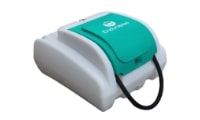
Portable DEF Tanks (25–100 Gallons) – Compact and Mobile
Portable DEF tanks are ideal for on-site refueling, construction sites, farms, and small fleet operations. These tanks offer easy transport, secure pump compartments, and durable polyethylene construction, making them a reliable choice for businesses needing convenient, mobile DEF storage.
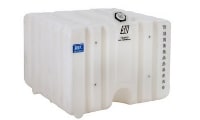
Stackable Lube Tanks (35–330 Gallons) – Space-Saving and Scalable
For businesses requiring moderate DEF storage with flexibility, stackable storage tanks provide efficient, modular storage solutions. They are well-suited for transportation companies, delivery services, construction sites, and agricultural operations needing organized, bulk DEF storage without the footprint of large vertical tanks.
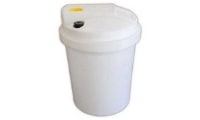
Bulk Vertical Plastic Tanks (Up to 20,000 Gallons) – High-Capacity Storage
For large fleets, logistics hubs, mining operations, and industrial sites, bulk vertical DEF tanks offer long-term storage with high-volume dispensing capabilities. Designed for durability and regulatory compliance, these tanks support businesses with large-scale DEF consumption and centralized fueling stations. Selecting the right DEF storage tank depends on your operational needs, space availability, and DEF consumption rates. Investing in a properly designed DEF storage solution helps prevent contamination, equipment damage, and unnecessary downtime.
Features to Look for in a DEF Storage Tank
- Polyethylene or Stainless Steel Construction – Prevents chemical reactions and corrosion.
- Sealed, Contamination-Free Design – Ensures long-term DEF stability.
- Built-In Dispensing Systems – Portable DEF tanks allow for clean and efficient DEF transfer.
Selecting a proper DEF storage tank enhances engine performance, fuel efficiency, and emissions compliance.
Plastic Mart: Reliable DEF Storage Solutions
Plastic Mart offers high-quality DEF storage solutions designed for long-term stability and compliance with industry standards. Our storage systems ensure purity, efficiency, and reliability for diesel engines using SCR technology.
Why Choose Plastic Mart for DEF Storage?
- DEF-Specific Storage Tanks – Made from non-corrosive, high-density polyethylene.
- Portable and Bulk Storage Options – Suitable for fleets, businesses, and individual users.
- Expert Consultation – Assistance in selecting the best DEF storage system for your needs.
Proper DEF storage is essential for diesel engine efficiency, emissions compliance, and long-term cost savings. Contact Plastic Mart today for industry-leading DEF storage solutions tailored to your operation.


