

What Options Do I have for Chemical Storage Tanks?
In any industry dealing with hazardous substances, the choice and maintenance of chemical containment tanks are paramount to ensuring safety, efficiency, and longevity. Enter chemical storage tanks. Chemical storage containers are specialized storage units designed to safely hold chemicals, hazardous substances, or other corrosive materials. They are engineered to prevent leaks, spills, or reactions between the stored chemicals and the tank materials, ensuring environmental safety and protecting workers and equipment from harmful exposure.
Chemical containment tanks store corrosive or volatile chemicals, water, and other liquids. Whether your tank is made from polyethylene, polypropylene, fiberglass, or stainless steel, proper selection and upkeep can help increase your liquid project operational efficiency. Moreover, the right tank choice will save you from costly repairs, downtime, and environmental hazards. This guide will walk you through the process of selecting the right tank and maintaining it to ensure durability and safety.
Why Is Choosing the Right Chemical Containment Tank So Important?
When it comes to storing hazardous chemicals, there is no room for error. The safety of your operations, employees, and the surrounding environment depends on it. Here’s what you should consider before making your choice:

Safety First
Preventing leaks and spills protects your workforce and the environment.

Chemical Compatibility
Different chemicals react differently with tank materials. A mismatch can lead to corrosion, leaks, or contamination.

Define Your Needs
Our experts can guide you in deciding the perfect tank for your unique chemicals. Some need to be concealed while others won’t handle the pressure in a closed chemical container.

Storage Capacity
You’ll need a tank that can accommodate both your current and future storage needs.

Location
Will the tank be used indoors or outdoors? Will it be above-ground or underground? These factors influence the choice of material and installation.

Regulatory Compliance
Compliance with standards such as UL, EPA, NFPA regulations or OSHA guidelines ensures legal and environmental safety.
These considerations are vital to choosing a tank that fits your industry’s unique requirements.
Top 10 Best Types of Chemical Storage Tanks for Optimal Performance
There are several types of chemical containment tanks on the market, each designed for different industries and substances. Here are some popular choices:
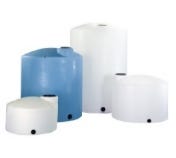
- Pros: Lightweight, corrosion-resistant, affordable, comes in both HDLPE and XLPE options.
- Best For: Agriculture, water treatment, manufacturing.
Did You Know?
High-Density Polyethylene (HDPE) tanks can handle a wide range of chemicals without breaking a sweat.
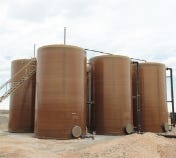
- Pros: Strong, weather-resistant, customizable.
- Best For: Chemical processing, wastewater treatment, oil & gas.
Did You Know?
FRP tanks can be tailored to store even the most aggressive chemicals.
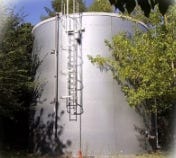
- Pros: Durable, temperature-resistant, pressure-tolerant.
- Best For: Pharmaceuticals, food processing, high-purity chemical storage.
Did You Know?
Some stainless steel tanks can handle temperatures that would make other materials melt.
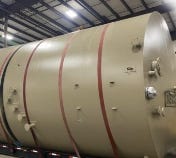
- Pros: Strong, cost-effective, versatile.
- Best For: Oil & gas, automotive, fuel storage.
Did You Know?
With the right coating, these tanks can resist corrosion like a champ.

- Pros: Offers excellent drainage, customizable designs, comes in HDLPE and XLPE, fiberglass, and stainless steel options, extra stability with wind and seismic tie-down options.
- Best For: Wastewater treatment, chemical manufacturing, and applications needing full drainage.
Did You Know?
Available with 30°, 45°, and 60° slopes in gallon capacities from 15 to 13,000.
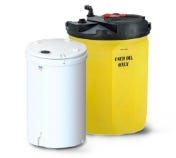
- Pros: Dual containment prevents leaks, protects against contamination, includes seismic and wind tie-down options and are available in fiberglass reinforced plastic, XLPE and HDLPE.
- Best For: Chemical containment in hazardous material storage (e.g., sodium hypochlorite), chemical processing, wastewater treatment, oil & gas.
Did You Know?
Available in sizes from 10 to 12,500 gallons for high-capacity needs with robust environmental protection.

- Pros: Precise dosing, compact design, integrates easily into existing systems, and come in HDLPE and XLPE options.
- Best For: Water treatment plants, chemical processing facilities requiring accurate chemical feeding.
Did You Know?
Integrative piping supports efficient handling of chemicals like bleach and treatment additives, available from 30 to 440 gallons.

- Pros: Flexible, temporary storage, easy to transport.
- Best For: Emergency containment, agricultural storage, firefighting reserves.
Did You Know?
Ranges from 15 to 20,000 gallons, making it suitable for large-volume storage with minimal space use.
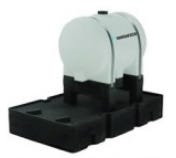
- Pros: Precision chemical dosing, reliable for controlled applications, choose from HDLPE and XLPE options.
- Best For: Wastewater treatment, chemical processing facilities needing exact concentration control.
Did You Know?
Available in capacities from 65 to 335 gallons, providing durable and precise chemical injection for process streams
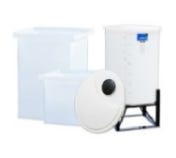
- Pros: Lightweight, corrosion-resistant, affordable, comes in both HDLPE and XLPE options
- Best For: Agriculture, water treatment, manufacturing
Fun Fact
High-Density Polyethylene (HDPE) tanks can handle a wide range of chemicals without breaking a sweat.
Maintenance: The Key to Tank Longevity and Safety
Even the best chemical containment tank needs proper care to function efficiently and last long. Regular inspections and maintenance practices can prevent leaks, spills, or tank failure, ensuring safety and regulatory compliance.

The Chemical Tank Inspection Imperative
Routine inspections are critical for early detection of any potential issues. Depending on the chemicals stored, tank material, and the environment, inspections should be weekly, monthly, or quarterly.
What to Look For
- Visible Damage: Look for stress fractures, , or bulging that may indicate structural problems.
- Corrosion: Pay attention to metal tanks or fittings susceptible to rust.
- Discoloration: Color changes on the tank surface could be a sign of chemical reactions.
- Fittings and Valves: Ensure all connections are tight and wear-free.
Pro Tip: Always document inspections with notes and photographs for future reference.

Cleaning: More Than Just a Rinse
Cleaning chemical containment tanks prevents contamination, especially when switching the type of chemicals stored. It can range from a basic rinse to a complete decontamination process.
Steps for Effective Cleaning
- Drain the Tank: Safely remove all contents.
- Rinse: Use high-pressure water to clear out residues.
- Use a Cleaning Solution: For stubborn residues, apply a compatible cleaning solution.
- Scrub: Use brushes to scrub the walls and base. Long-handed brushes are your pal here.
- Rinse Again: Remove all cleaning agents before refilling.
Always ensure the tank is completely dry before refilling with chemicals.

Ventilation and Pressure Management
Improper pressure management can cause tanks to rupture. Volatile chemicals often release gases, so proper ventilation is key.
Best Practices
- Install venting systems suited to your tank’s size.
- Regularly check and clean vent filters.
- Use pressure relief valves to prevent ruptures.

Monitoring pH and Chemical Compatibility
Different chemicals have different personalities. Some are acidic divas, others are alkaline prima donnas. Regular pH monitoring ensures your tank material remains compatible with its contents while keeping potential risks at bay.
Key Considerations
- Use pH monitoring systems regularly.
- Ensure tank materials are compatible with stored chemicals (e.g., HDPE tanks for corrosive substances).
Consult with professionals if unsure about material compatibility

Routine Maintenance Schedule
Establishing a routine maintenance schedule ensures that issues are addressed promptly, and your tank remains in optimal condition.
Maintenance Checklist
- Daily
- Check for leaks or unusual odors.
- Monitor green indicator light on leak detection system.
- Review ultrasonic level readings for unexpected changes.
- Weekly
- Inspect for exterior damage.
- Test leak detector push-button light function
- Verify ultrasonic level indicator display accuracy
- Monthly
- Clean vent filters and check fittings.
- Inspect ultrasonic sensor for debris or obstructions
- Verify 4-20 mA output signals from monitoring systems
- Annually
- Conduct a full inspection, including internal cleaning.
- Professional calibration of ultrasonic level indicator
- Complete testing of leak detection system functionality
Technology Benefits of Our Leak Detection and Ultrasonic Level Monitoring Systems:
- Real-time tank level measurements with 0.25% accuracy
- Visual display of liquid levels in hundreds of gallons
- Four programmable contacts for automated control
- Temperature-compensated readings for reliability
- Early warning through interstitial space monitoring
- NEMA 4X rated indicator box for durability
- Simple visual confirmation of system status
- Immediate alert capability for potential leaks

Tank Repairs: When DIY Meets Professional Grade
Even with meticulous maintenance, tanks may occasionally need repairs. Having the right tools and materials on hand can mean the difference between a quick fix and a costly replacement. Our professional-grade Tank Repair Kit alongside the insulation repair kit combines precision engineering with user-friendly design, making polyethylene tank repairs both effective and accessible.
Essential Repair Tools
- Professional poly welding gun (operates on standard 110V power)
- Specially formulated welding wire with copolymers and adhesives
- Natural and black polyethylene welding rods (30" length)
- Husky patch kit for small repairs on bladder tanks
Best Practices for Repairs
- Ensure repairs are conducted in temperature-controlled conditions
- Pre-clean and prepare the damaged area thoroughly
- Follow proper V-notching techniques (1/2 to 3/4 of material thickness)
- Allow adequate preheating time (10-15 minutes) for optimal results
- Apply smooth, consistent passes for proper bonding
- Consider multiple passes for deeper repairs to ensure proper sealing
Remember: We generally recommend having a professional do your chemical tank repairs..
Custom Chemical Storage Solutions
Sometimes, standard chemical storage tanks may not meet your unique needs. In such cases, custom-designed tanks offer a tailored solution that fits your specific requirements. specializes in creating custom plastic tanks that can be built to any size, shape, or specification to ensure optimal safety and efficiency for your chemical storage needs.
Advantages of Custom Tanks:
- Tailored to fit your facility's dimensions and requirements
- Designed to accommodate specific chemicals and storage conditions
- Include additional features such as fittings, valves, and insulation
If you need a custom solution, contact a specialist who can guide you through the design and manufacturing process and ensure that your tank meets all industry standards.
Other Considerations for Maintaining your Chemical Tank
While you maintain your tanks, you might wonder: What if I detect a minor crack? Cracks, no matter how small, should never be ignored. They could signal deeper structural problems that could lead to a catastrophic failure over time. Always consult a certified professional for repairs. If you're also wondering, "What’s the best material for storing hazardous chemicals?" Don't worry. Our team at Plastic-Mart has the expertise to help you choose a custom tank that fits your specific needs.
Choosing the Right Partner for Your Chemical Containment Needs
Selecting the right tank is just the first step. You’ll need a trusted partner to guide you through the selection and maintenance process. Plastic-Mart is the largest supplier of above-ground and underground plastic tanks in the nation, offering a variety of solutions to meet your storage needs.

Why Choose Plastic-Mart?
- Extensive Inventory: We offer tanks for all industries, from chemical storage to water treatment.
- Customization: Need a custom tank? Our rotational molding process allows for any size or shape.
- Expert Assistance: Our specialists are here to guide you through the process.
- Quality Assurance: We ensure that all our tanks meet or exceed industry standards for safety and reliability.
- Competitive Pricing: High-quality tanks at the best prices.
Protect Your Investment with the Right Chemical Tank Partner
Proper maintenance of chemical containment tanks isn’t just about preventing leaks or spills. It’s about ensuring the safety, efficiency, and longevity of your operations. Regular inspections, cleaning, and pressure management are key components of a maintenance routine that can prevent costly repairs and extend the life of your tank. Partnering with Plastic-Mart for your containment needs ensures you get the best tanks on the market, along with expert advice and service.
Remember, the perfect tank is out there, and with the right knowledge and resources, you can find it. Whether you need a standard solution or a custom-designed tank, Plastic-Mart is ready to help you reach your storage goals with reliable, cost-effective containment solutions.
Ready to find your next chemical containment tank? Contact Plastic-Mart today, and let us help you make the right choice for your industry.


