
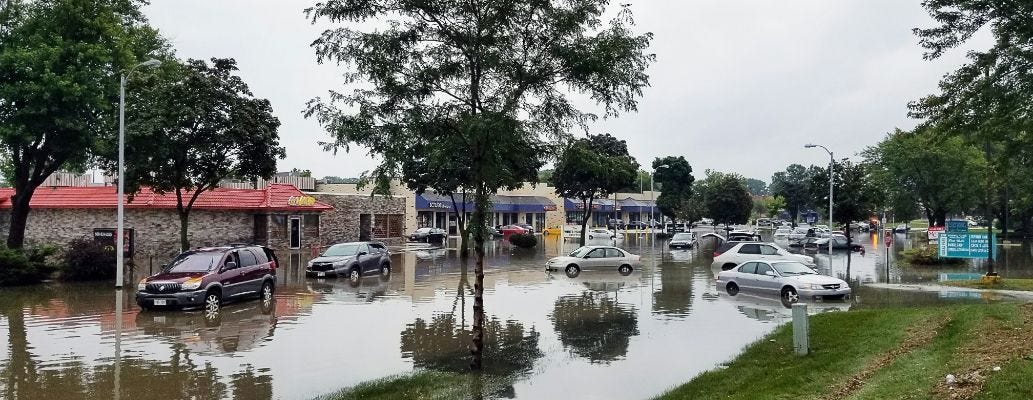
A Practical Guide to Disaster Preparedness for Liquid Storage Businesses
When disaster strikes, being prepared is not just about protecting your bottom line—it’s about safeguarding your assets, your team, and the communities you serve. For businesses involved in chemical and water storage, the stakes are even higher. Whether you're dealing with unpredictable weather or industrial hazards, having a plan in place ensures you're ready to face any challenge head-on.
At Plastic Mart, we understand the importance of protecting critical infrastructure while maintaining operational integrity. That’s why we’re offering a practical guide tailored to your unique needs, so you can stay ahead of potential disasters and keep your operations running smoothly.
The Threat Landscape for Liquid Storage Facilities
Chemical and water storage businesses face a variety of risks, from natural disasters like hurricanes to man-made incidents such as chemical spills. These events can have serious consequences if not properly managed, including environmental damage, costly fines, and the potential loss of life. But with the right preparations, you can minimize these risks.
Take Hurricane Harvey in 2017, for instance. As floodwaters engulfed the Arkema chemical plant in Texas, cooling systems failed, triggering a chain reaction that led to toxic explosions and hazardous fumes filling the air. It was a terrifying reminder that, in moments of crisis, even the smallest oversight can result in devastating consequences. The disaster served as a stark wake-up call for industries located in vulnerable areas, illustrating just how fragile our safety nets can be without proper foresight. And when disaster strikes, it's not just property at stake—it's lives, communities, and the environment we all rely on.
Key Hazards to Consider During Disasters

Chemical Spills and Contamination
Floods and severe weather can cause tank breaches, leading to hazardous spills. Being proactive is key to avoiding costly environmental damage.

Natural Disasters
Hurricanes, tornadoes, earthquakes, and floods can compromise storage tank integrity and disrupt operations.

Fire Hazards
Storage facilities are vulnerable to fire outbreaks from equipment malfunctions or external factors like lightning strikes.
Developing a Solid Emergency Plan
A comprehensive emergency plan can mean the difference between swift recovery and devastating loss. The Ready.gov Business Toolkit offers step-by-step guidance for creating preparedness plans for different events.

Assess Your Risks
Look at potential threats, from weather events to internal equipment failures.
Evaluate Your Location
Is your facility in a flood zone or prone to hurricanes? Prepare accordingly.
Secure Your Supply Chain
How will you keep operations going if your supply chain is disrupted?
Stay Compliant
Make sure your emergency protocols align with OSHA and EPA guidelines.
Communication is Key
Ensure you have clear lines of communication for notifying employees, stakeholders, and emergency services.
Chemical Storage: Safety Tips for Disaster Ready Businesses
Chemical storage requires extra care, especially during disasters. By taking preventative steps, you can protect both your employees and the environment.

Install Secondary Containment Systems
Use barriers or vaults to capture spills before they spread.
Add Tank Restraints
Secure tanks to prevent movement during high winds or seismic activity.
Regular Inspections
Ensure tanks, valves, and containment systems are in top shape through routine maintenance.
Train Your Team
Educate staff on spill response protocols to minimize risks.
Water Storage Safety Tips During Disasters
Water storage tanks are equally at risk during extreme weather. Here are some essential steps to ensure the safety of your water storage systems:

Backup Power
Install generators to maintain water pressure and filtration during power outages.
Rainwater Harvesting Systems
Set up systems to manage stormwater runoff effectively.
Water Quality Testing
Regular testing helps identify contamination after floods or nearby chemical spills.
The Financial Impact of Poor Preparedness
Failing to prepare for a disaster can lead to significant financial losses. According to FEMA, nearly half of all businesses impacted by a disaster never reopen. For liquid storage facilities, the costs can be even greater due to environmental fines, repair costs, and skyrocketing insurance premiums.

Environmental Fines
Chemical spills can result in hefty fines for contamination.
Repair and Downtime
Damage to facilities can lead to costly repairs and long periods of downtime.
Increased Insurance Costs
Unprepared facilities often face higher insurance premiums.
Emergency Response: Quick Action, Lasting Protection
Having an emergency response plan means knowing exactly what to do when disaster strikes. From ensuring timely evacuations to containing spills, quick action can save lives and protect your business.

Notify Quickly
Use mass communication tools to alert employees and authorities.
Evacuate Safely
Train your team on when and how to evacuate in case of chemical exposure or fire.
Spill Containment
Have spill containment materials on hand to prevent environmental damage.
Plastic Mart: Your Trusted Partner in Liquid Storage
At Plastic Mart, we believe that being prepared for a disaster is more than just a necessity—it's an obligation. By taking proactive steps today, you can protect your assets, your people, and your reputation for years to come. Our range of storage tanks and containment solutions is designed to help you stay resilient, no matter what the future holds.
Contact us today for a free consultation on how we can help your business be disaster-ready.


