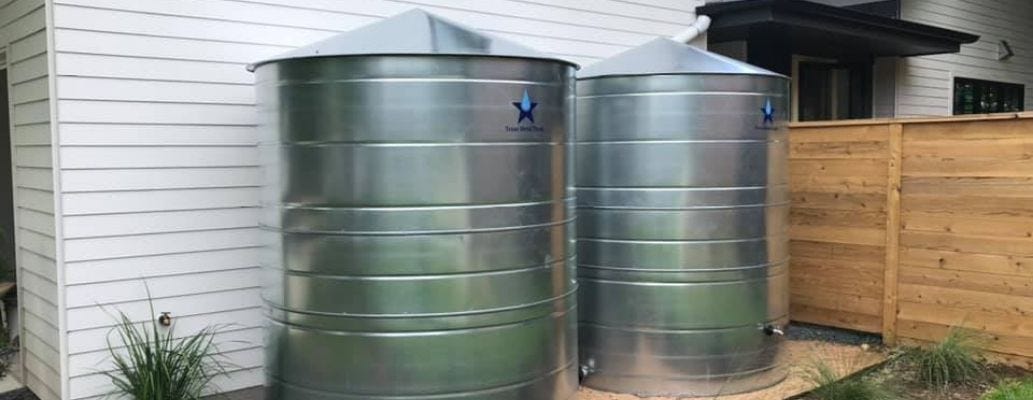

Sustainable Wetland Preservation with Rainwater Collection
Wetlands are some of the most valuable ecosystems on Earth, yet they’re also among the most at risk. These natural water bodies—sometimes called the “kidneys of the Earth”—provide crucial services, like filtering water, storing carbon, and protecting against floods, all while hosting incredible biodiversity. Unfortunately, wetlands are disappearing at an alarming rate due to urbanization, pollution, and climate change.
All hope is not lost! There’s something simple yet powerful that anyone can do to help: rainwater collection. Collecting and reusing rainwater isn’t just good for conserving water—it can also play a vital role in protecting and even restoring wetlands.
At Plastic Mart, we’re committed to making sustainability easier for everyone. Let’s explore how rainwater harvesting works, why it’s a game-changer for wetland preservation, and how you can start contributing to this important cause.
What Is Rainwater Collection?
Rainwater harvesting is exactly what it sounds like: the practice of collecting and storing rainwater for later use. Think of it as giving nature a little extra help by putting rainwater to work instead of letting it run off into storm drains or flood low-lying areas.
The process is simple, and the tools are easy to use:
- Collection surfaces: These can be rooftops, perforated paving areas designed for stormwater runoff, or even your backyard.
- Conveyance systems: Gutters, pipes, or channels guide the rainwater to a storage system.
- Storage tanks: Durable tanks or barrels hold the water until it’s needed.
Whether it’s a compact rain barrel for your garden or a larger underground rainwater collection tank for more ambitious projects, there’s a solution for everyone. At Plastic Mart, we offer a range of rainwater harvesting tanks made from weather-resistant materials, including slimline designs that fit perfectly into small spaces.
Why Wetlands Are Crucial for a Healthy Planet
Wetlands include marshes, swamps, bogs, mangroves, and other areas where water meets land. These ecosystems are environmental superheroes, providing benefits that go far beyond their boundaries:
- Water purification: Wetlands act like nature’s water filter, removing harmful pollutants and sediments.
- Flood control: They absorb excess rainfall, reducing flood risks in cities and rural areas alike.
- Biodiversity hotspots: Wetlands support 40% of the world’s species, offering critical habitats for birds, amphibians, fish, and more.
- Carbon storage: Wetlands, especially peatlands, store vast amounts of carbon, helping to combat climate change.
- Economic value: From fishing and tourism to recreation, wetlands are an essential resource for livelihoods and local economies.
The Wetland Crisis: Why Action Is Urgent
Despite their importance, wetlands are disappearing fast. Over 64% of the world’s wetlands have been lost since 1900, and the situation is only getting worse. Here are the biggest threats:
- Urban expansion: Cities and infrastructure often encroach on wetlands, draining or paving over them.
- Pollution: Runoff from farms, factories, and streets carries pollutants that choke wetland ecosystems.
- Climate change: Rising sea levels and shifting weather patterns disrupt the delicate balance wetlands need to thrive.
- Invasive species: Non-native plants and animals can outcompete local species, upsetting ecosystems.
In the U.S., reports like the show that coastal wetlands are especially vulnerable. Some estimates predict that up to 90% of coastal wetlands could be lost by the end of the century due to sea-level rise.
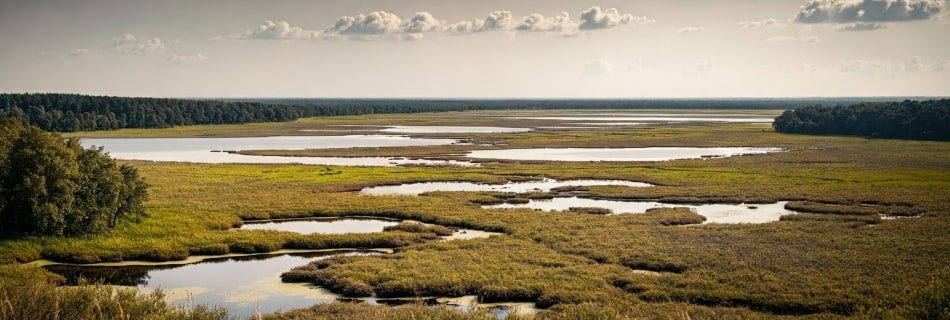
How Rainwater Collection Helps Save Wetlands
So, how does rainwater collection fit into the big picture? By collecting and reusing rainwater, you can protect wetlands in multiple ways:
Lowering Runoff and Pollution
When rain falls on roads, rooftops, and parking lots, it quickly turns into runoff, carrying dirt, chemicals, and other pollutants straight into wetlands. This not only harms the plants and animals that live there but also overwhelms the wetland’s natural filtration system.
Rainwater harvesting intercepts this process, capturing rain before it becomes polluted runoff. By using harvested rainwater for tasks like irrigation, you reduce the strain on wetlands and help keep them clean.
Replenishing Groundwater
Many wetlands depend on groundwater to stay healthy, especially during dry seasons. When you let harvested rainwater soak into the ground—whether through rain gardens or dedicated infiltration systems—it helps recharge aquifers. This, in turn, supports the wetlands that rely on those underground water supplies.
Preventing Flood Damage
In urban areas, heavy rain can overwhelm stormwater systems, leading to flooding that damages wetlands. Rainwater harvesting reduces the volume of stormwater runoff, helping to prevent sudden surges of water that disrupt wetland habitats. Pairing rainwater harvesting with green infrastructure, like permeable pavements and bioswales, can amplify these benefits.
Improving Water Quality
Harvested rainwater is naturally free from chemicals like chlorine and heavy metals, making it a great alternative for irrigation and other non-drinking uses. By reducing the demand for treated municipal water, you also cut down on the amount of wastewater discharged into wetlands.
Supporting Wildlife Habitats
When wetlands are clean and well-functioning, they provide safe homes for countless species, from migratory birds to endangered amphibians. Rainwater harvesting helps ensure that wetlands receive steady, high-quality water supplies, supporting the delicate ecosystems they host.
Creating New Wetlands
In some cases, rainwater harvesting can even help create artificial wetlands. These engineered ecosystems mimic the functions of natural wetlands, filtering water, controlling floods, and providing habitats for wildlife.
Global Efforts to Protect Wetlands
Around the world, governments and organizations are stepping up to protect wetlands and promote sustainable practices like rainwater harvesting:
- Ramsar Convention on Wetlands (1971): This global treaty focuses on wetland conservation and is celebrated every February 2nd on World Wetlands Day.
- UN Biodiversity Goals: Countries have pledged to restore 30% of degraded water bodies and protect healthy wetlands by 2030.
- National restoration projects: From the UK’s Great North Bog to Argentina’s Mitre Peninsula, targeted conservation efforts are making a difference.
How Plastic Mart Supports Wetland Conservation
At Plastic Mart, we’re passionate about helping you make a positive impact on the environment. Our rainwater harvesting solutions are designed to be easy, efficient, and adaptable to your needs. Here’s how we support wetland preservation:
- High-quality rainwater collection solutions: Our rainwater tanks are built to last, available in a variety of sizes, materials, and colors to suit any space.
- Filtration systems: Keep your harvested water clean with filters that remove debris and sediment.
- Educational resources: We’re here to guide you with tips and tools for setting up your system and maximizing its benefits.
- Expert advice: Need help choosing the right solution? Our team is ready to assist, whether you’re a homeowner, a farmer, or a business owner.
What You Can Do to Help?
Want to join the effort to protect wetlands? Here are a few simple steps you can take:
- Install a rainwater harvesting system: Even a small rain barrel can make a big difference.
- Plant a rain garden: Use native plants to absorb and filter runoff.
- Advocate for wetland protection: Support policies that prioritize wetland conservation and sustainable water management.
- Celebrate World Wetlands Day: Raise awareness in your community about why wetlands matter.
Let’s Protect Wetlands Together!
Wetlands aren’t just beautiful scenaries—they’re essential. By adopting sustainable practices like rainwater harvesting, we can help these ecosystems thrive for generations to come. At Plastic Mart, we’re here to make it easy for you to take action, whether you’re installing your first rain barrel or designing a larger system.
Let’s work together to save every drop and secure a healthier future for our planet. Ready to get started? Reach out to us today to learn more about our rainwater harvesting solutions and how they can help protect wetlands near you.